August 21, 2026
What Are Spark Ads on TikTok? How They Work, Cost, and Examples
Learn what Spark Ads on TikTok are, how they work, what they cost, and how brands use creator or organic content to scale paid campaigns.
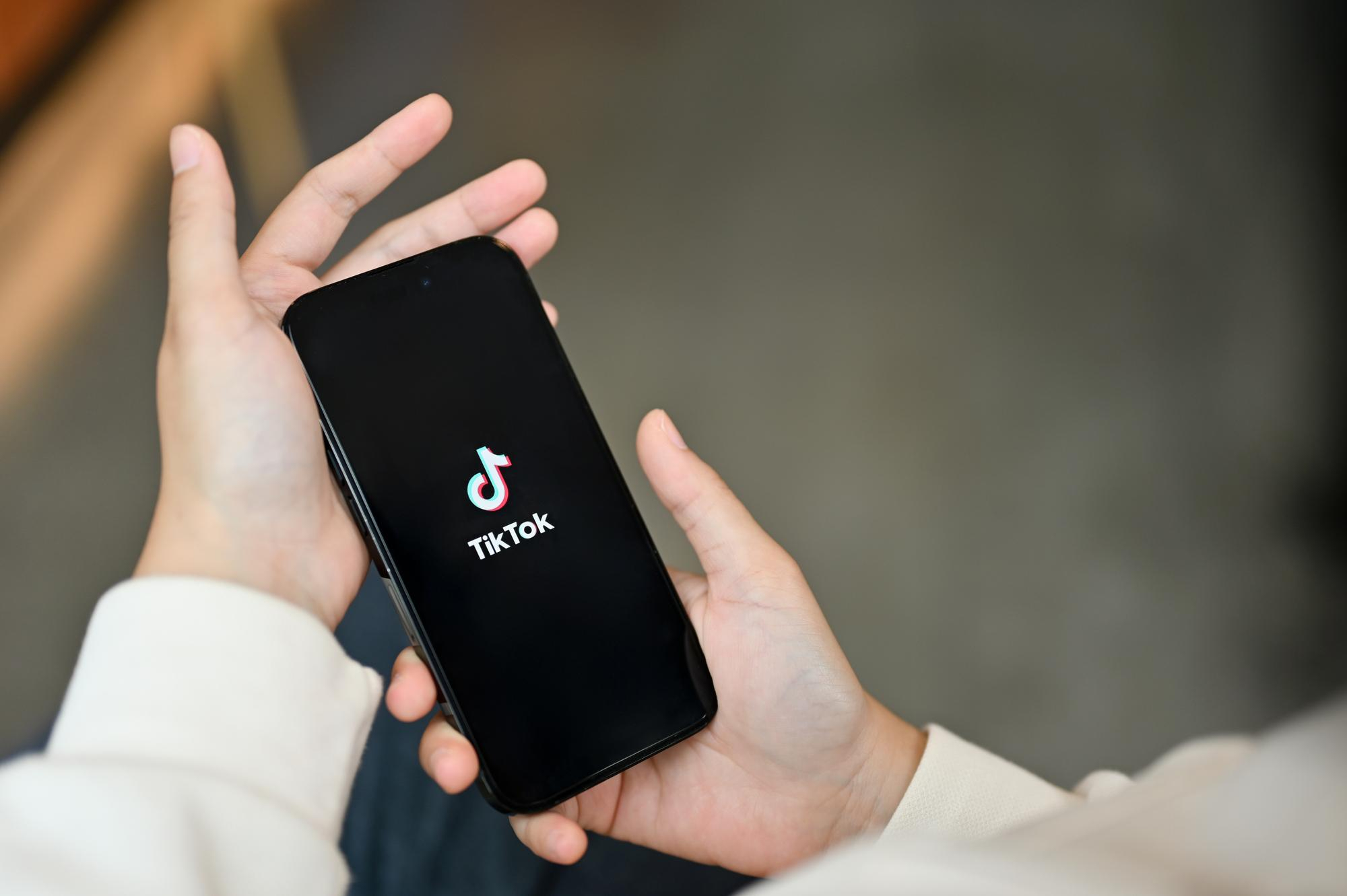
Spark Ads on TikTok are native ads that run through a real TikTok account, using an organic post you own, a creator post you have permission to use, or fresh creative pushed from Ads Manager. The ad keeps the handle, caption, sound, and comment thread of a live post, so likes, shares, and new followers accumulate on the original video instead of disappearing when the campaign ends.
For a media buyer, the pull is practical. Creative that already proved a hook gets paid distribution without a rebuild, and the social proof rides into the auction with it.
TikTok has also been retiring Custom Identity, which pushes more paid delivery through verified TikTok accounts. Identity gets linked inside the Business Center that owns the ad account, so whoever controls that account controls whether campaigns launch at all. Anyone running spend through TikTok agency ad accounts should confirm how identity linking works in their setup before it turns into a launch blocker.
What Are TikTok Spark Ads?
TikTok Spark Ads convert a live post into paid inventory. Delivery runs under the handle that published the video, the view count and comment history carry over, and a tap on the profile picture opens that account rather than a landing page.
Source material comes from three places: posts on your own account, creator posts released to you through an authorization code, and new creative uploaded in Ads Manager and published under a linked identity. The first two follow what TikTok calls the Pull workflow, where the post already exists. The third is Push, where the platform publishes the creative for you.
TikTok Spark Ads at a Glance
What Users See When a Spark Ad Appears in the Feed
Nothing about the unit reads as a rebuilt ad. The video plays full screen with the publisher's handle, the original caption, the sound, and a Sponsored label. Comments stay open and visible, so a viewer scrolling past sees the reactions the post already collected.
Differences sit in the interactive layer. A call-to-action button sits in the ad unit, the display name links to the TikTok profile behind the ad, and the destination URL routes wherever the campaign points.
Why Engagement Stays With the Original Post
Paid delivery does not create a duplicate video. The ad references the post itself, so every interaction an impression triggers writes back to that asset. A video carrying a long paid run keeps the comment count, share count, and follower gains after the campaign stops.
Compounding social proof does real work. A comment section already answering questions about texture, sizing, or shipping handles part of the sale before anyone reaches the landing page, and TikTok's delivery system reads accumulated engagement as a quality signal.
Negative comments accumulate on the same video, though. Moderation becomes part of campaign management rather than an afterthought: HBS research on automated comment moderation found that hiding harmful comments improved conversion rates, ROAS, and purchase intentions across six studies. A creative winner with a hostile comment section can quietly cap its own conversion rate.
TikTok Spark Ads vs. Normal or Non-Spark Ads
Both formats compete in the same auction and buy the same inventory. Separation shows up in identity, ownership of engagement, and what a viewer touches when they interact.
What Doesn't Change: Targeting, Bidding, and Optimization
Reach for the format expecting a different auction and you will be disappointed. Objectives, audiences, placements, bid strategies, and optimization events come from the same menu, with a handful of objective-level exceptions worth checking against your own account. Spark Ads sit inside standard campaign structure as an ad-level choice, not a separate product with its own delivery logic.
Budget behaves the same way. Learning phase requirements, spend pacing, and frequency all follow the rules already governing the account.
Creative and identity are the only variables the format touches, which makes it clean to test. Same audience, same bid, same objective, and read the delta.
How Spark Ad Reporting Splits Paid and Organic
Two data sets describe one video. TikTok Ads Manager reports the paid engagement your spend produced, while native analytics on the account show total performance across paid and organic delivery combined.
Reading the wrong one distorts a creative test. A video that looks like a runaway winner in account analytics may be carrying most of its numbers from the media budget. Pull paid likes, paid shares, and paid follows from Ads Manager when judging whether the creative earned the result, and treat the organic panel as a view of total exposure. For traffic-focused campaigns, TikTok link CTR in Ads Manager belongs alongside those engagement metrics when judging whether attention actually turns into clicks.
Engagement arriving after a campaign ends is a separate problem. TikTok attributes some of it back to the ad for a defined window, which means a report pulled the day delivery stopped and the same report pulled a week later will not match. At click level, the IAB Click Measurement Guidelines distinguish clickthroughs from in-unit clicks, another reason to define reporting categories consistently before comparing results. Compare like with like before you draw conclusions about creative quality.
What TikTok's Custom Identity Phase-Out Means for Spark Ads
Custom Identity let advertisers run ads under a display name and profile image with no live TikTok account behind them. TikTok announced in early 2026 that the option is being retired, moving paid delivery toward authenticated accounts connected through Business Center. Transition guidance was published under the F.I.R.S.T. framework.
Two things get conflated here, and separating them is worth a minute. The requirement is a linked identity, not Spark Ads specifically. Uploaded creative running under a linked TikTok account satisfies the rule without being a Spark Ad at all.
What Spark Ads add is a route for advertisers with no organic library to draw on. The Push workflow publishes creative through a verified account without any content strategy sitting behind it, which is why the format keeps coming up in phase-out conversations.
Rollout has been staged rather than instant. Some advertisers lost the option earlier than others, and TikTok has not published a single global cutoff, so check what your account actually supports before you build a launch calendar around it.
The operational consequence deserves attention. Once every campaign depends on a linked account, losing access to that account stops delivery rather than degrading it. Identity becomes a dependency in the same category as funding and approvals, and account continuity moves from a background concern to a live risk in the media plan.
How Do TikTok Spark Ads Work? Three Ways to Set One Up
Every setup starts with one decision: bring existing content into paid, or launch new creative through an account you control. Existing content splits again depending on who owns the post, which produces three routes in total.
All of them end in the same place, with an ad tied to a TikTok account and engagement flowing back to a post.
Spark an Existing Post From Your Own TikTok Account
Link the account in Business Center, then select the video inside Ads Manager while building the ad. Nothing about the post changes. The video stays on the profile, keeps its existing metrics, and continues to receive organic views alongside paid delivery.
Requirements to check first: the account has to be public, the video has to be public, and the audio has to be cleared for commercial use. Sounds pulled from the general TikTok library carry licensing restrictions for business accounts, which is what the Commercial Music Library exists to solve and what disqualifies plenty of otherwise strong organic posts.
Spark a Creator Post With an Authorization Code
Permission comes from the creator, not from you. They generate an authorization code in their TikTok app under the ad settings for that specific video, send it over, and you redeem it in Ads Manager.
A code covers one video, so a three-video creator package needs three codes. Authorization is also revocable: a creator who withdraws access ends delivery on that ad, regardless of budget already committed or performance in flight.
Duration is where published guidance falls apart. Third-party guides quote windows anywhere from 24 hours to 365 days and contradict each other freely. TikTok's own documentation describes the duration as customizable rather than fixed, so read the expiry off the code you actually received.
Build authorization terms into the creator contract rather than treating them as a technical step at the end. Duration, renewal, and whether the creator agrees to leave the post live all belong in the agreement. Platform authorization is not the whole rights conversation: the U.S. Copyright Office provides guidance on permission to use someone else's work when another party owns the copyright.
Push New Creative From Ads Manager to a Linked TikTok Account
No viral post required, and no organic history either. Upload the video in Ads Manager, choose the linked TikTok account it should publish under, and the platform creates the post on that identity for the ad to reference.
Older guides miss the workflow entirely. Most articles describe the format purely as paid amplification of content that already exists, which was accurate at launch and stopped being the whole picture once Push arrived.
Visibility is configurable. TikTok offers an option for qualifying pushed creative to run through ads without appearing as a normal post on the profile grid, which keeps a heavy testing cadence off the public account. Buyers cycling through high creative volume need that, because publishing every variant organically would wreck the profile.
What to Check Before You Publish
Most Spark Ad failures are visible before launch, in settings nobody rechecks.
- Identity: confirm the ad delivers under the intended account, since a Business Center holding several linked profiles makes the wrong selection easy.
- Authorization window: check the expiry against the planned flight dates, not against today.
- Destination and CTA: the button and URL sit at ad level and do not inherit from the organic post.
- Tracking: verify the pixel or Events API fires on the destination, because profile taps and post engagement are not conversions.
- Post eligibility: public account, public video, and audio cleared for commercial use.
- Video length and history: TikTok caps sparkable videos at ten minutes, and a post already banned organically gets rejected at ad review.
How Much Do TikTok Spark Ads Cost?
There is no Spark Ads fee. TikTok charges the same auction rates as any other ad format, so the cost of a campaign equals media spend plus whatever the creative cost to produce, license, or commission.
Cost differences show up indirectly. Creative carrying real engagement usually earns a stronger click-through rate, and stronger click-through generally improves delivery efficiency and pulls cost per acquisition down. CPM itself moves in either direction depending on the audience you buy, so judge the format on CPA rather than on media cost.
Separate Ad Spend From the Cost of the Creative
Two budgets sit behind every Spark Ad campaign, and mixing them produces misleading efficiency numbers.
Media spend goes to TikTok and buys impressions, while TikTok CPM benchmarks and cost drivers help explain how expensive those impressions are. Creative cost goes to the creator, the production team, or the licensing agreement, and it lands before a single impression serves. A creator charging a flat fee for a video plus usage rights has been paid the same amount whether a few hundred dollars runs behind it or a few hundred thousand.
Fold creative cost into blended CAC rather than leaving it outside the model. The IAB's creator-economy measurement landscape flags fragmented metrics, siloed platforms, and proxy-based ROI as barriers to evaluating creator media at scale. Teams reporting on media spend alone flatter their numbers and lose any ability to judge whether a creator relationship actually earns its keep.
TikTok's Campaign and Ad Group Budget Minimums
TikTok's published thresholds are $50 per day at campaign level and $20 per day at ad group level, with a separate floor for lifetime budgets. Local currency equivalents differ by market, so an account billing in euros or pounds sees different figures.
Both floors are platform requirements rather than anything specific to the format, and the numbers move whenever TikTok updates them.
Small daily budgets create a second problem past the minimum. An ad group holding several ads at the floor starves each one of learning data, which produces noisy results and slow exits from the learning phase. Consolidate before assuming the creative failed.
Do Creators Get Paid for Spark Ads?
Creators get paid when the agreement says so. Authorization and payment are separate transactions, and handing over a code gives an advertiser permission to run the video as an ad. Nothing about the code moves money.
Compensation depends on the arrangement. A flat content fee, a usage rights fee tied to flight length, a TikTok One project rate, or affiliate commission are all common, and several stack in one deal. For U.S.-facing endorsements, the FTC's guidance for social media influencers treats financial relationships with brands as material connections that should be disclosed. Creators new to paid usage sometimes issue a code expecting their standard organic post fee to cover it, which produces friction once they see their face running against serious spend.
Settle usage terms in writing before the code changes hands. Rate, duration, renewal, and exclusivity all belong in the agreement, and revisiting them mid-flight costs more than a negotiation up front.
TikTok Spark Ads Examples: 3 Performance Use Cases
Creative source dictates the play. A post you own, a post a creator owns, and a file that has never been published lead to three different use cases.
Turn a Winning Brand TikTok Into a Paid Acquisition Ad
Organic finds the winner, paid scales it. A skincare brand posts a sixty-second routine video that outperforms its usual output by a wide margin, and rather than rebuilding the concept as a polished ad, the team sparks the original.
Why it holds up: the post carries a comment section full of real questions about texture, price, and skin type, and new viewers arriving from paid read those answers as evidence. Rebuilding the video as a clean ad unit would discard that layer entirely.
Watch the decay. A post carrying heavy spend eventually saturates its addressable audience, and ad fatigue as frequency climbs becomes harder to ignore than it would with a fresh unit. Track frequency alongside CPA and rotate before the numbers turn.
Scale a Creator Review Without Rebuilding It as a Brand Ad
Some products convert on trust in the person holding them. A supplement brand working with a nutritionist gets a review video that performs organically on her account, requests authorization, and runs it as an ad from her handle.
The messenger stays intact. Viewers see a creator they may already follow, delivered from her profile, with her audience's comments underneath. Running the same script under the brand handle turns a recommendation into an advertisement, though whether that costs conversions depends on category and creator fit. Test both against campaign ROAS and profitability rather than assuming the creator version wins.
Cost sits higher here. Usage fees attach to flight length, renewal negotiations arrive mid-campaign, and the format gets expensive to run indefinitely against cheaper owned creative.
Launch Paid-First Creative Through Your Business Identity
Not every strong ad deserves a spot on the profile grid. A DTC brand testing fifteen hooks against one offer pushes each variant through Ads Manager under its linked account, using the ads-only visibility option so the public profile stays curated.
Identity requirements get satisfied without a content strategy attached. A brand with a thin organic presence still runs compliant paid delivery, which matters more now that unlinked identities are going away.
One caveat: a pushed post starts at zero comments and zero likes, so the creative carries the full weight alone. Judge it against other paid-first units rather than against sparked organic winners, or the comparison misleads.
When Should You Use TikTok Spark Ads?
Use Spark Ads when the identity behind the ad adds something the creative alone does not: existing engagement, a creator's credibility, or a linked account required for compliance. Skip the format when the ad is a pure paid-first concept and none of those apply.
The format earns its place in three situations:
- Proven organic creative. A post that already held attention without spend behind it.
- Creator-led persuasion. A face and a following doing part of the selling.
- Identity requirements. Campaigns that need a verified account attached regardless of creative strategy.
The counter-cases matter as much. Paid distribution does not rescue creative that failed to hold attention, though a weak organic result deserves a second look before you write it off. A post sometimes flops because it reached the wrong slice of a creator's following rather than because the hook failed, so read hold rate and watch time instead of view count. Authorization dependency is the second reason to hesitate, because a creator who revokes the code or switches to a private account ends delivery without warning. The same operational risk appears when a TikTok account gets suspended, because delivery can lose the identity it depends on.
Direct-response campaigns built for the ad slot often perform fine without any of it. Concept, offer, and hook do the work, and adding an identity layer introduces coordination overhead with no lift attached.
The decision is per-ad, not per-account. Most mature TikTok programs run both, and that format mix belongs inside the broader paid social planning and media buying process alongside decisions about objectives, audiences, budgets, and creative.
Spark Ads Change Creative Distribution, Not Account Stability
Everything above changes how creative enters the auction. None of it touches the account underneath.
Compliance review, ad approvals, spend limits, funding, and support response times sit at the account layer and behave the same way whether an ad is sparked or uploaded. A sharp creative operation runs on top of an account that either holds up under pressure or does not.
Why Strong Creative Cannot Fix Account Instability
Creative solves for cost per result. Account infrastructure solves for whether the campaign runs at all.
A winning sparked ad delivering at target CPA stops the moment the ad account gets restricted. Nothing about the creative changes. Audience and offer stay exactly where they were, and delivery reaches zero because the account carrying it went offline. Reinstatement then sits with a review queue rather than with the media buyer.
The cost of that gap scales with spend. A buyer running modest daily budgets absorbs a few days of downtime without much damage. A team running heavy daily spend loses meaningful revenue for every hour delivery stays paused, and the pressure lands on whoever has to explain the gap. Payment failures, appeal queues, and single-account concentration all produce the same outcome from different directions.
Custom Identity's retirement raises the stakes further. When ads depend on a linked account, losing account access removes the identity, the delivery, and the creative distribution in one move.
When a TikTok Agency Ad Account Makes Sense
Spend level alone does not set the threshold. The point arrives when account friction costs more than a stronger setup would.
Signals that the point has arrived: repeated restrictions with no clear policy cause, appeal cycles outlasting campaign windows, support tickets answered after the launch window closed, spend fees eating a visible share of margin, or an entire program depending on one account with no backup.
Whitelisted agency ad accounts sit under a partner's relationship with TikTok rather than a self-serve signup, which changes the failure profile without touching the creative. Unlimited extra accounts reduce single-account concentration risk, lifetime replacements shorten the gap after a suspension, and the daily spend ceilings that throttle standard accounts stop being the constraint. AdRevival's TikTok setup runs on flat monthly pricing with a 0% spend fee on bank top-ups, crypto funding as an alternative, and ongoing support for compliance and account issues. Private management goes further, connecting advertisers directly to an official TikTok rep for campaign whitelisting and compliance escalation.
Account access will not fix weak offers or poor creative, and AdRevival is direct about that on its own product page. Creative and infrastructure answer different questions. A Spark Ad decides how far an idea travels. The account decides whether it travels at all, and at scale that second question turns out to be the expensive one.
TikTok Spark Ads FAQs
Should I Join Spark Ads on TikTok?
For creators, yes, when the usage fee reflects the exposure. Authorization lets a brand run your video as an ad, so price those rights separately from the original post.
Is Spark Ads Legit?
Yes. Spark Ads are an official TikTok ad format documented in the Business Help Center. Creators should still verify who is requesting authorization and what commercial terms apply.
Do Spark Ads Hurt Organic Views?
No, according to TikTok. Paid and organic delivery run on separate tracks, so promoting a post does not reduce the organic reach that video would otherwise earn.
How Long Does Spark Ads Authorization Last?
Duration is set by the creator when the code is generated, and TikTok allows it to be customized. Check the expiry against your flight dates.
Can a Creator Edit or Delete a Post While It's Running as a Spark Ad?
A creator has to remove ad authorization before deleting a sparked post. Revoking that authorization, or switching the account to private, ends delivery on the ad.
Can You Stop a Spark Ad Without Deleting the Original TikTok Post?
Yes. Pausing or deleting the ad in TikTok Ads Manager ends paid delivery while the organic post stays live on the profile with all engagement intact.
Explore more blog posts



Join the AdRevival family.
Conquer with us
Joining AdRevival will get you exclusive access to a community that collectively spends $20m/month on ads.
Get access to exclusive meetup events around the world. from Vegas to Bangkok.